

The 1778 Battle of Wyoming
On July 10, 1890, Wyoming became the Union's 44th state. a territory in 1869 and achieved statehood.
So how could there be a "Battle of Wyoming" in 1778?
The name Wyoming is derived from a Delaware (Lenape) Indian word, xwé:wamənk or mecheweami-ing, which translates to “at the big river flat” or “extensive meadows”. While it is a western state known for mountains, the name actually originates from the Wyoming Valley in Pennsylvania.
The battle took place in July of 1778 in the Wyoming Valley of Pennsylvania and was fought between the Americans and the joint forces of the British and the Iroquois Indians. The Native-British force outnumbered the Americans and demanded that they surrender. They did not. What happened next was a slaughter.
The Wyoming Valley surrounds a portion of the Susquehanna River. You can find out more about it's location at this link.
Some call it The Wyoming Valley Battle - others think of the event as The Wyoming Massacre, depending on who is telling the story. It has been the subject of several ballads, poems, and paintings.
The battle was short and devastating. The Patriots fought bravely, but they were surrounded and overwhelmed. As musket fire echoed through the valley, the militia lines collapsed. What followed has been remembered — and debated — ever since.
Accounts tell of horrific slaughter as many Patriots tried to surrender or flee. Survivors claimed that prisoners were executed, tortured, or cut down mercilessly. In the chaos, some estimates suggest that more than 300 militiamen were killed. The valley was left in shock.
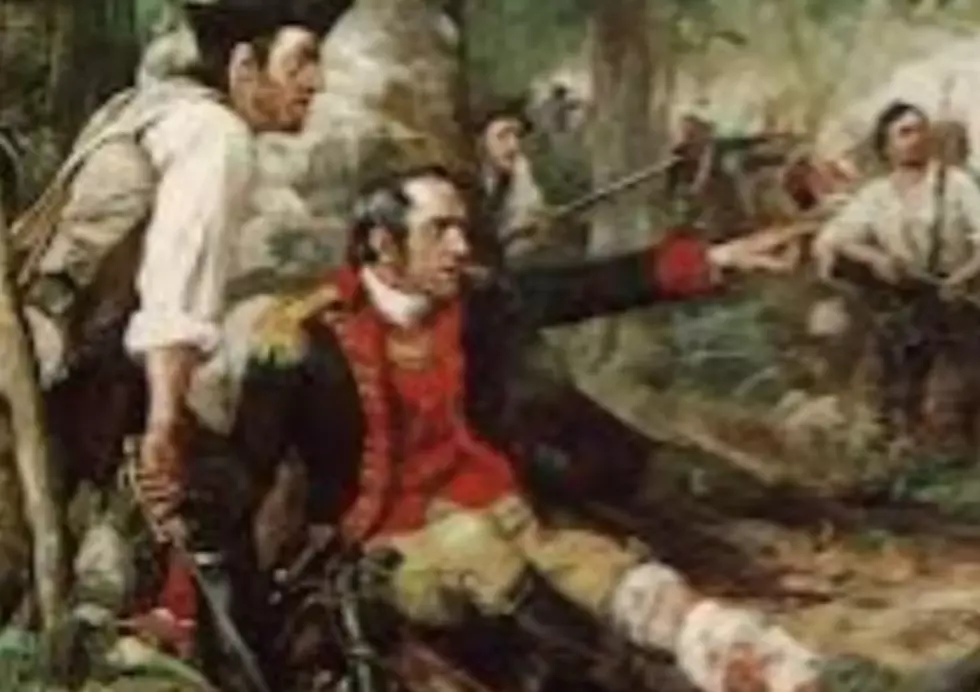
To make matters worse, many women and children fled into the wilderness to escape, only to die from starvation or exposure. The massacre was not just a battle — it was the destruction of a community’s sense of safety. For decades afterward, families told stories of terror in the Wyoming Valley.
In military terms, the Battle of Wyoming did not decide the war. But in terms of morale and propaganda, it was a turning point. Patriot leaders used the massacre to stoke outrage against the British and their allies. Newspapers published harrowing accounts, some true and some exaggerated, ensuring that every colonist understood the price of defeat.
Wyoming's Vintage Rail Restorations
Gallery Credit: Glenn Woods
More From Wake Up Wyoming


